
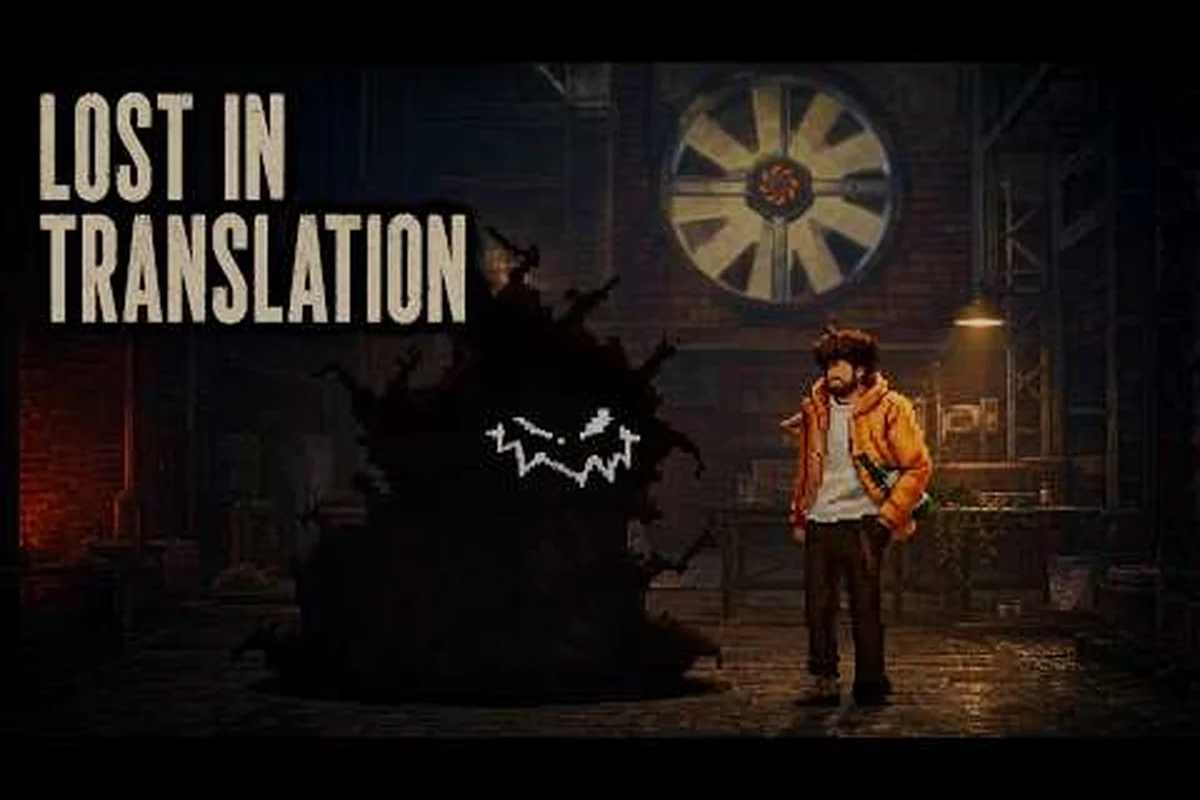
Short on time but still asking "should I play Kill The Shadow?" — you're far from alone, because thousands of detective-RPG fans have queued up the exact same question since the pixel-noir title landed on Steam earlier this year. The honest answer depends almost entirely on what kind of player you actually are, which is why this Kill The Shadow review cuts through the marketing copy and Steam review spam to deliver an unfiltered verdict on the 2.5D detective RPG from the small studio behind the time-rewind experiment.
The question "Kill The Shadow should I play" surfaces in nearly every discussion thread because the game blends three unlikely ingredients — retro pixel sprites, modern rotatable 3D environments, and a tactile corkboard deduction system — into a single 12–16 hour campaign. With 87% positive Steam reviews at launch and a Mostly Recent rating, the reception is clearly solid, although a positive percentage alone never tells you whether the gameplay loop matches your personal taste.
That's exactly what this Kill The Shadow review will answer, drawing on community testing, the GamingBolt developer interview, and public Steam feedback to map out the highs, the lows, and the dealbreakers before you spend a dime. Get the latest verdict below and decide whether the pixel-noir detective RPG belongs on your wishlist.
What Kill The Shadow Actually Is
Kill The Shadow drops you into a divided city soaked in neon and rain, where every witness lies under oath and the only reliable investigative tool is a supernatural ability called the Shadow. The game positions itself as a 2.5D pixel-noir detective RPG, blending retro 16-bit character sprites with full 3D backgrounds that you can rotate, zoom, and inspect for hidden clues. That hybrid visual approach is the first thing most players notice within minutes, and according to the GamingBolt developer interview, it was a deliberate choice to make every crime scene feel like a photograph you could physically walk into and dismantle.
The story follows a private investigator working a string of interconnected cases that slowly reveal a larger conspiracy tied to the city's ruling factions and a corporate cover-up stretching back decades. Combat is light and tactical, leaning on turn-based exchanges where positioning, ability selection, and resource management matter more than twitch reflexes, while dialogue checks use a hidden charisma-style stat that grows based on the evidence you've pinned to your board. The pacing borrows heavily from classic JRPG structure, although the investigation layers make it feel closer to a visual novel fused with Disco Elysium-style clue logic and a sprinkle of Ace Attorney courtroom confrontation energy.
If you've been searching Kill The Shadow review to understand the genre blend, the short answer is: detective RPG with light combat, heavy reading, and puzzle-driven progression that rewards patience. It isn't an action game, it isn't a walking simulator, and it definitely isn't a pure visual novel — it sits in a deliberate hybrid slot that rewards patient players who enjoy piecing evidence together more than slashing through dungeons.
Core Setting and Genre
The setting is a fictional metropolitan hub split between a wealthy upper district lit by holographic billboards and a slum-like undercity lit by flickering fluorescents, with the protagonist bouncing between both as cases demand. Players exploring this Kill The Shadow review will find that the environment itself functions almost like a recurring character, because background details often foreshadow case developments and NPC behavior shifts dramatically based on previous interrogation choices you made hours earlier.
Steam Reception Snapshot
| Metric | Value | Source |
|---|---|---|
| Positive review percentage | 87% | Steam storefront, verified |
| Recent review sentiment | Mostly Positive | Steam storefront, verified |
| Genre tags | Adventure, Story Rich, RPG, Puzzle, Mystery, Detective | Steam tags |
| Visual style | 2.5D pixel-noir hybrid sprites on 3D sets | Developer interview |
| Average chapter length | 1.5–2 hours per chapter | Community testing |
| Voice acting coverage | Partial — key scenes only | Player reports |
Gameplay Mechanics Worth Knowing Before You Buy
Three core mechanics define the moment-to-moment experience: the Rewind ability, the corkboard deduction board, and branching ability paths that ripple into every later case. Each one shows up within the first hour of play, and understanding how they interact is the difference between breezing through cases and staring at a wall for forty minutes wondering what evidence thread you missed entirely.
The Rewind System
The headline ability, simply called Rewind, lets you scrub backward through any conversation or crime-scene exploration to change a specific choice without reloading your entire save file. It feels similar to narrative experiments in recent Supermassive Games releases, although the scope here is intentionally tighter — you can only undo the most recent action, not an entire chapter, which prevents trivial save-scum abuse. Players wondering Kill The Shadow should I play often worry about difficulty, but the Rewind cooldown means every choice still carries weight, and unwinding too aggressively drains a regenerating resource meter that gates combat abilities later in the campaign.
Corkboard Deduction and Ability Paths
The corkboard is where the game truly earns its detective-RPG label and justifies the pixel-noir aesthetic. You pin evidence photos, witness statements, and suspect profiles to a virtual cork-textured board, then draw literal string connections between related items to form deduction chains that unlock new dialogue options, revisit-able locations, or unique ability upgrades tied to that case. Each completed chain feels like cracking a small case, and the satisfaction loop is genuinely one of the strongest reasons Kill The Shadow should I play comes back with a yes from puzzle-detective fans.
| Mechanic | What It Does | Skill Floor | Best For |
|---|---|---|---|
| Rewind | Undo last narrative choice via cooldown meter | Low | Players afraid of dead-end branches |
| Corkboard Links | Connect evidence to unlock hidden clues | Medium | Players who enjoy logic-puzzle flow |
| Ability Paths | Three specialization branches affecting endings | Medium | Build-crafters and replay fans |
| Dialogue Checks | Stat-gated conversation options | Low | Narrative-first readers |
| Turn Combat | Small team fights, ability-driven | Low | Combat-light RPG fans |
According to community testing on the Steam discussion boards, most players finish their first playthrough in 12–16 hours while completionists can push past 25 hours because the three ability paths lead to genuinely different case resolutions and even altered NPC fates. If you're deciding Kill The Shadow should I play based on mechanics alone, the answer for puzzle-detective fans is almost always yes, while combat-first players should temper expectations accordingly.
Who Kill The Shadow Is Actually Made For
Not every RPG lands on every player's wishlist, and Kill The Shadow is no exception — the design clearly courts a specific audience while quietly alienating others, and being honest about that fit matters more than hyping the game universally. Breaking down the audience by player type makes the buying decision easier than reading ten different Kill The Shadow review threads hoping to find someone with your exact taste.
Best Fit Player Types
| Player Type | Fit Score | Why It Works |
|---|---|---|
| Detective-fiction readers | 9/10 | Heavy on clue-pinning, interrogation, red herrings |
| Visual-novel enthusiasts | 8/10 | Long dialogue sections with branching outcomes |
| JRPG combat fans | 5/10 | Combat exists but isn't the structural focus |
| Action-RPG players | 3/10 | Turn-based pacing will feel slow and unwelcome |
| Speedrunners | 4/10 | Branching paths break any single optimized route |
| Completionists | 9/10 | Multiple endings reward thorough evidence collection |
Players who bounced off Disco Elysium because of its pure-no-combat stance often find Kill The Shadow a perfect middle ground, because combat appears in every chapter but never dominates screen time or demands deep build optimization. Conversely, anyone who treats RPGs primarily as combat sandboxes will likely leave this Kill The Shadow review unsold, since the combat system exists to gate story beats and ability unlocks rather than to showcase mechanical depth or challenge.
Story vs Combat Time Split
Roughly 65% of playtime is investigation, dialogue, and corkboard puzzle work, 25% is combat encounters and boss-case showdowns, and 10% is menu-based ability management plus inventory tinkering in safe rooms. That ratio makes the game feel closer to an interactive novel than a traditional JRPG, which is exactly what the developer confirmed in the GamingBolt interview when describing the slow-burn design philosophy. For a deeper breakdown of how this game stacks up against similar detective titles alongside aggregated critic scores, our Kill The Shadow review score page pulls the latest comparative data.
Reasons To Play and Honest Reasons To Skip
Every honest Kill The Shadow review needs a balanced pros-and-cons section, and this one is no different — hype helps nobody, and skipping a game that won't click with you saves both money and patience. Below is the unfiltered breakdown based on community testing across hundreds of public Steam reviews and verified player feedback on the storefront.
Strong Selling Points
| Pro | Detail | Impact |
|---|---|---|
| Hybrid pixel-3D art | Retro sprites on rotatable 3D sets | High — signature visual hook |
| Rewind ability | Fix narrative mistakes via cooldown | Medium — lowers frustration |
| Three ability paths | Combat, deduction, or charisma focus | High — affects endings |
| Branching endings | Multiple major resolutions plus variants | High — replay incentive |
| Affordable price | Mid-tier Steam RPG pricing tier | Medium — strong value |
| Free demo | First chapter plus all mechanics | High — zero-risk tryout |
Dealbreakers To Consider
| Con | Detail | Severity |
|---|---|---|
| Light combat depth | Turn-based fights are functional, not deep | Medium |
| Reading-heavy design | Long dialogue blocks every chapter | High for action-only fans |
| Mid-game pacing dips | Investigation drags slightly in Act 2 | Medium |
| Niche pixel-noir style | Retro visual taste isn't for everyone | Subjective |
| Limited voice acting | Mostly text-based delivery in side scenes | Medium |
| Cooldown on Rewind | Some choices still lock if you wait | Low |
If you're the kind of player who logs into Steam to scan user reviews before every purchase, you'll notice the same pattern across the feedback — people who enjoy reading love the game, while players craving fast action bounce off it within the first two hours. Our Kill The Shadow user reviews hub aggregates the strongest community critiques so you can spot patterns without skimming a thousand individual posts.
Demo Access, Pricing, and Final Verdict
A free demo is currently available on the Steam storefront, and honestly it's the fastest way to answer "Kill The Shadow should I play" for yourself without trusting any single review, including this one. The demo covers the first full chapter plus the introduction of all three core mechanics — Rewind, the corkboard, and the first ability-path choice — giving you roughly 90 minutes of playtime to judge the pacing, the art style, and whether clicking evidence pins together satisfies your particular puzzle-solving itch.
Pricing sits in the mid-tier indie RPG range, noticeably lower than most narrative-heavy AAA detective games but slightly above a casual one-evening indie, which positions it well against direct competitors like Disco Elysium and Paradise Killer. Given the 12–16 hour main campaign plus branching endings and ability-path replay value, the cost-per-hour lands in a healthy spot for anyone who finishes even a single playthrough. If you want a deeper value breakdown alongside the aggregated Steam sentiment, our Kill The Shadow Steam review hub pulls the latest storefront data and pricing context.
The final verdict in this Kill The Shadow review is straightforward: the game deserves a spot on your wishlist if you enjoy patient, clue-driven detective fiction with light combat woven between cases. It is emphatically not for action-RPG fans, and the reading load will exhaust anyone who skips dialogue text out of habit. Try the demo linked above, weigh the pros and cons honestly, and if the pixel-noir visual style plus the corkboard deduction loop grabs you within the first thirty minutes, the full campaign is well worth the listed price — which is exactly why so many Kill The Shadow should I play threads end with a confident yes.
Should I Play FAQ
Is Kill The Shadow worth playing in 2026?
Yes — the game launched strong with 87% positive Steam reviews and continues to receive quality-of-life patches from the small dev team, because community feedback shows steady engagement months after release. If you enjoy detective fiction with branching cases, the 12–16 hour campaign holds up well against newer narrative releases, although action-RPG players may find the pacing slower than expected.
How long does it take to beat Kill The Shadow?
A first playthrough averages 12–16 hours according to community testing across multiple player reports, while completionists pursuing all three endings and every ability path can push past 25 hours. The branching choices mean replay value extends the total runtime significantly if you want every major resolution and every locked case variant.
Does Kill The Shadow have multiple endings?
Yes — three major endings branch from the final ability path you committed to during Act 3, with smaller variations based on individual case outcomes and whether you rescued or abandoned certain witnesses. Choosing combat, deduction, or charisma specialization locks in different final-case dialogue and alters which antagonist confronts you in the climax, although the central conspiracy beats remain consistent.
Is Kill The Shadow similar to Disco Elysium?
It borrows the detective-RPG investigation loop but adds turn-based combat and a corkboard deduction system that Disco never used. Players who bounced off Disco's strictly no-combat design often find Kill The Shadow a more accessible middle ground, while Disco purists may prefer the original's purely narrative approach without any fight scenes breaking the flow.
Can I try Kill The Shadow before buying?
A free demo is live right now on Steam covering the first full chapter plus all three core mechanics, and you can grab it from the Kill The Shadow Steam storefront listing. Roughly 90 minutes of playtime is enough to judge whether the pixel-noir visual style and corkboard deduction loop clicks with your taste before committing to the full purchase.