
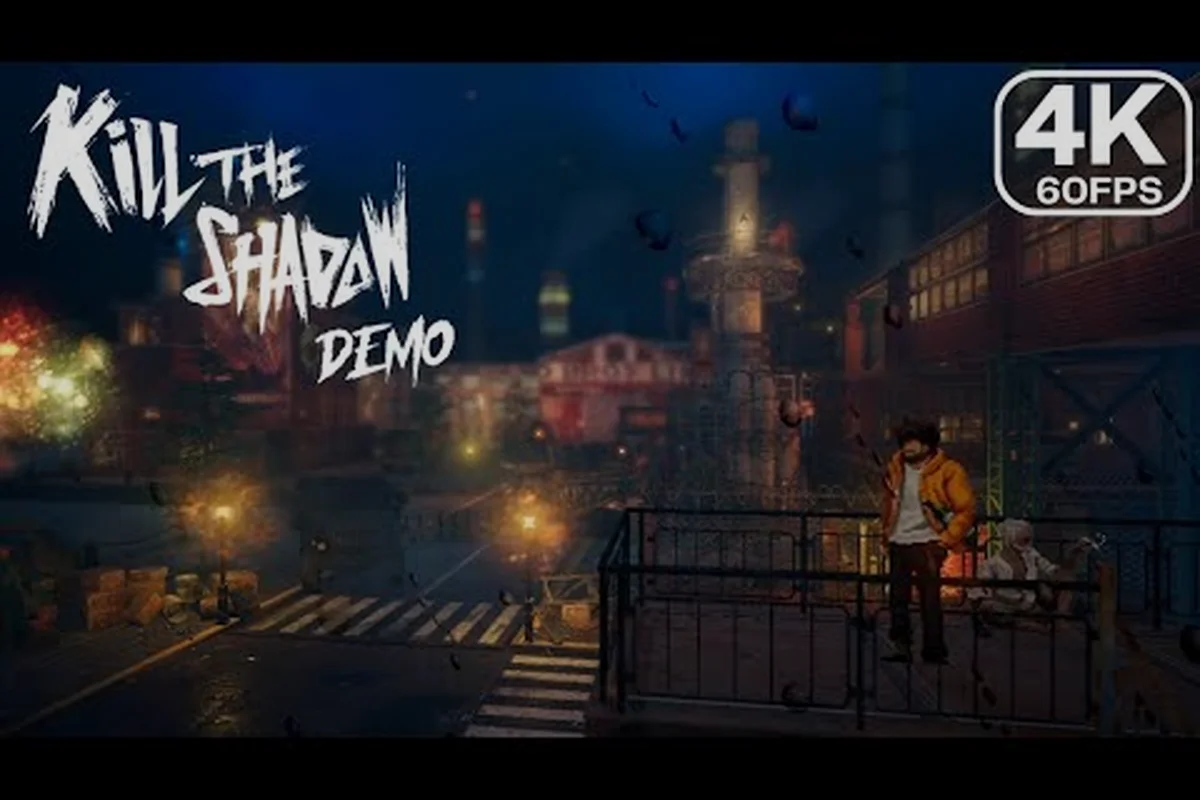
A Spirit build in Kill The Shadow is your ticket into the psychological layer of every case, because the path trades brute confrontations for mind-reading dialogue and pressure tactics that crack witnesses open without ever raising a fist. If you enjoy outsmarting suspects from behind the corkboard instead of outmuscling them in a back alley, this walkthrough will map the entire Spirit journey from the first investigation to the final act so you never stall on a dialogue check again.
Spirit Build Overview and Core Identity
The Spirit ability path sits between Strength and Charm as the investigative specialty that favors mental pressure over physical or social leverage. According to the official Steam listing for Kill The Shadow, the game hands you three distinct paths once you commit, and Spirit is the option for players who want dialogue trees that feel like chess matches rather than interrogation rooms. The path's identity is built around three pillars: empathy, timing, and pattern recognition, all of which feed directly into the corkboard deduction system that drives every case to its resolution.
What the Spirit Path Offers
Spirit characters lean on perception, empathy, and timing rather than aggression or charisma. Rather than forcing open a suspect's mouth through intimidation (Strength) or sweet-talking them into cooperation (Charm), a Spirit investigator notices micro-expressions, catches contradictions mid-sentence, and uses the rewind mechanic to replay key dialogue beats for hidden emotional tells. The path excels at unlocking optional witness dialogues that Strength and Charm simply cannot trigger, which means Spirit players see unique evidence tags on the corkboard that other builds never access.
The path also unlocks the Inner Monologue passive, a perception overlay that highlights suspicious word choices in suspect speech. Combined with the rewind ability, Inner Monologue lets Spirit investigators essentially "pause" conversations to read between the lines, an advantage that compounds over the course of a long case chain. By the late game, a fully leveled Spirit build can chain Inner Monologue highlights, Eye Contact, and Cold Read into a single twenty-second dialogue loop that breaks most suspects without ever leaving the conversation screen.
Spirit vs. Strength vs. Charm
Choosing your path is a soft commitment because later respecs exist but cost premium currency, so knowing what each path brings to the table before you commit saves you both time and resources. Here is how the three paths compare on the dimensions that matter most during any Kill The Shadow walkthrough:
| Ability Path | Primary Role | Best Investigation Phase | Dialogue Tone | Evidence Type Unlocked |
|---|---|---|---|---|
| Spirit | Mind games, empathy, timing | Mid-case interrogation | Calm, probing, reflective | Psychological traces |
| Strength | Physical pressure, intimidation | Late-case confrontations | Direct, forceful, blunt | Physical traces |
| Charm | Persuasion, rapport building | Early-case interviews | Warm, friendly, sympathetic | Social traces |
This breakdown matters because evidence types feed into the corkboard deduction system, and each path's evidence unlocks different connection threads between clues. Spirit evidence tends to link motive threads, while Strength evidence ties objects to suspects, and Charm evidence builds alibi networks. Picking Spirit means your corkboard will be dense with red string linking motive threads across the case, which is ideal if you enjoy piecing together psychological profiles more than tracking fingerprints.
Spirit Mechanics: How Mind Games Work
The Spirit path is not a passive skill tree, because every Spirit ability is an active tool that you deploy at specific dialogue moments. Understanding when to trigger each ability is the difference between a Spirit build that feels sluggish and one that steamrolls every witness in the case. Each Spirit ability consumes Spirit energy, which regenerates passively during exploration and spikes whenever you successfully pressure a suspect, creating a feedback loop that rewards smart ability use.
Reading Targets Through Dialogue
Spirit dialogue checks trigger when a suspect's on-screen dialogue shifts from neutral to defensive, which is signaled by a small purple flicker next to their portrait. The Eye Contact ability is the bread-and-butter option, presenting a calm, silent stare that pressures the suspect into filling the silence, which usually produces a slip of the tongue or a contradiction the corkboard can flag. Eye Contact costs minimal Spirit energy and can be chained two or three times in a single conversation, but it fails against high-composure suspects who are trained to hold their nerve under sustained pressure.
For hardened targets, the Cold Read ability is more effective. Cold Read lets you state a probable motive before the suspect reveals it, and if your guess lands close enough, the suspect involuntarily confirms the connection through a tell (a blink, a hesitation, a hand gesture). Cold Read costs moderate Spirit energy but unlocks an evidence tier called Motive Echoes that other paths cannot generate, and these echoes act as connectors on the corkboard between motive threads. Cold Read is also the only Spirit ability that occasionally produces confession dialogue, which can fast-track late-game cases if your Empathy stat is high enough.
| Spirit Ability | Spirit Cost | Best Target Tier | Unique Reward |
|---|---|---|---|
| Eye Contact | Low (10–15) | Low composure suspects | Slip-of-tongue dialogue |
| Cold Read | Medium (25–35) | High composure suspects | Motive Echoes |
| Double Take | High (40–50) | Mid-tier bosses | Tell Echoes |
| Whisper Capture | Passive drain | Crowded scenes | Hidden sub-audible clues |
Spirit Interactions and Unique Checks
Certain investigation moments in a Kill The Shadow walkthrough are gated behind Spirit-only checks, which appear as faint purple icons on the environment. These include Crowd Reading in busy streets, where Spirit characters can isolate one suspicious bystander from a dozen background NPCs, and Memory Drift flashbacks that play out in the rewind view, accessible only when Spirit energy is above 70 percent. The Whisper Capture passive also activates during eavesdropping scenes, letting you record sub-audible conversations that Strength and Charm paths miss entirely.
These unique checks are scattered across each case rather than concentrated in any one chapter, so Spirit players should keep Spirit energy topped up between scenes instead of burning it all on a single dramatic check. Pacing your Spirit energy use is its own skill, and learning to leave a reserve for the next scene is what separates average Spirit players from the ones who finish cases in record time.
Spirit Stat Priorities and Dialogue Unlocks
Spirit stat allocation determines which dialogue options glow gold, which checks auto-pass, and which Spirit abilities scale with your level. Because the path has more soft checks than hard pass/fail rolls, allocation order matters more than total points dumped into one stat. A Spirit build that spreads points evenly across all four stats will feel weak in every check, while a focused allocation produces a build that feels competent by mid-game.
| Priority | Stat | Why It Matters for Spirit |
|---|---|---|
| 1 | Perception | Drives Eye Contact success rate and unlocks earlier Cold Read tiers |
| 2 | Composure | Prevents suspects from breaking the interview early when you push too hard |
| 3 | Empathy | Lowers the Spirit energy cost of Cold Read and unlocks Whispers dialogue trees |
| 4 | Instinct | Boosts the rate at which Inner Monologue highlights appear in suspect speech |
Perception is the keystone stat because Eye Contact scales directly with it, and most Spirit players find that early cases demand three Perception nodes before any other stat feels impactful on the dialogue screen. Composure comes second because failing composure checks can end an entire interview sequence prematurely, which is brutal on a Spirit build that lives or dies on extended dialogue chains where you need to stay calm under pressure.
Empathy is a hidden multiplier that many players undervalue, because each point reduces Cold Read's Spirit cost by roughly four percent, meaning a maxed Empathy build casts Cold Read almost for free after the early game. Instinct is the lowest priority but still essential, because higher Instinct means Inner Monologue flags appear earlier in a suspect's sentence, giving you more time to trigger Eye Contact or Cold Read before the dialogue line completes and locks you out of that beat.
Spirit Build Walkthrough by Investigation Phase
A Spirit-focused walkthrough of Kill The Shadow divides naturally into three investigation phases, and each phase rewards different Spirit tactics. Treating the build as a single uniform strategy is a common mistake, because the early game favors crowd reading, the mid-game rewards Cold Read chains, and the late game demands composure management above all else. Following this phased approach keeps the build relevant across the entire story rather than peaking too early.
Early Case Spirit Tactics
In the first case or two, focus on stacking Perception nodes and using Eye Contact as your default interaction. Suspects in the early game have low composure, so Eye Contact triggers slip-of-the-tongue dialogue more often than not, and the resulting Motive Echoes give you corkboard threads that chain into the first major revelation. Pair these early Spirit checks with solid clue gathering strategies so that the evidence tags you uncover land on the corkboard already pre-connected through Spirit links, which saves hours of manual pinning later.
Avoid spending Spirit energy on Whispers or Memory Drift during the early cases because those abilities scale poorly against low-tier suspects and the energy is better banked for the mid-game. Save at least one Cold Read charge for the case-closing confrontation, because early cases typically reveal their final twist through a single high-composure suspect who only breaks under a precise Cold Read guess, and walking in without that charge ready means you might lock into a weaker branch.
Mid Case Spirit Tactics
The middle of a Kill The Shadow walkthrough is where the Spirit build comes fully online. By this point you should have Perception at tier three, Composure at tier two, and at least one Cold Read upgrade unlocked from the ability tree. Start using Cold Read aggressively, because mid-game suspects are designed to withstand Eye Contact and the only reliable way to crack them is a well-timed motive guess that lands within the dialogue tolerance window.
Mid-game Spirit players should also start weaving in the Double Take ability, which is a combo of Eye Contact followed by a quick rewind to replay the suspect's reaction. Double Take reveals micro-expressions that single Eye Contact misses, and the resulting evidence tags include Tell Echoes that act as independent connectors on the corkboard. Pair these mid-case checks with broader investigation techniques so that you balance dialogue pressure with environmental exploration, because mid-game cases deliberately split evidence between dialogue and physical scenes to test whether Spirit players can do more than just talk.
Late Case Spirit Tactics
Late-game cases in Kill The Shadow introduce high-composure suspects designed to resist every Spirit tool short of a perfectly stacked Cold Read. At this stage, Composure becomes the most important stat, because a single failed composure check can end the climactic interview and lock you into the worst ending branch. Stack Composure nodes hard before tackling late-game cases, and consider running the Whisper Capture passive on autopilot during crowded late-game scenes to farm Spirit energy back up between heavy Cold Read uses, which keeps your offense online without sacrificing defensive stability.
The other late-game consideration is branching narrative consequence, because Spirit choices tend to surface "psychological closure" endings rather than the violent or romantic resolutions that Strength and Charm paths favor. According to the developer interview on GamingBolt covering Kill The Shadow's ability paths, the Spirit path is tuned for players who want the suspect to confess voluntarily rather than be broken by force, so plan your late-game dialogue picks around empathy rather than triumph. For deeper mechanics on the Spirit ability itself, our Spirit ability guide breaks down each Spirit skill in detail, including hidden tier-five upgrades that only unlock on a maxed Spirit run.
| Phase | Primary Spirit Ability | Recommended Stat Focus | Energy Reserve Goal |
|---|---|---|---|
| Early Cases | Eye Contact | Perception (3 nodes) | 30 percent reserve |
| Mid Cases | Cold Read / Double Take | Perception + Composure | 50 percent reserve |
| Late Cases | Composure + Whisper Capture | Composure + Empathy | 70 percent reserve |
Spirit Build FAQ
Is the Spirit build viable for a first playthrough of Kill The Shadow?
Yes, the Spirit path is one of the most forgiving first-playthrough options because early-game suspects have low composure, which means Spirit abilities land consistently and the evidence tags you generate compound faster than Strength or Charm evidence across the corkboard.
Can you respec out of Spirit mid-walkthrough?
You can respec at specific respec shrines located in late-game districts, but each respec costs a premium currency that is rare before the final act, so commit to Spirit early in the playthrough to avoid wasting currency that you cannot easily earn back.
Does the Spirit path lock you out of any endings?
The Spirit path does not lock you out of endings, but it strongly favors psychological-closure branches and reduces the likelihood of violent or romantic resolutions, so if you want a specific ending tone you should check the dialogue branches before committing your mid-game ability points.
What is the strongest Spirit ability combo for boss-tier suspects?
The strongest Spirit combo against high-composure suspects is Cold Read into Double Take into Eye Contact, which drains Spirit energy quickly but produces the highest concentration of Tell Echoes per encounter and often triggers voluntary confessions without needing a Strength or Charm fallback.
How does Spirit interact with the rewind mechanic in this walkthrough?
Spirit abilities benefit from rewind because you can replay a dialogue line multiple times, and each replay has a small chance of revealing additional Inner Monologue highlights that were hidden on the first pass, which makes the rewind tool your single best friend on a Spirit-focused run.
Which Spirit ability are you planning to specialize in first, and which ending branch are you chasing on your current playthrough of Kill The Shadow? Drop your build priorities in the comments so other Spirit investigators can compare stat routes before they commit their next three nodes.